
Commercial Vertimowing
Over time, turf will develop a thatch layer, which is primarily composed of dead organic matter.
A moderate level of thatch can be very beneficial for the turf, as it provides a home for many micro and macro organisms, and the subsequent breakdown of this thatch releases nutrients back into the soil.
Excessive thatch can create a physical barrier to the air, water, and nutrients that are necessary for reaching the root zone. Furthermore, it can limit root depth and offer a suitable habitat for various insects that harm the turf.
Several factors contribute to excessive thatch buildup, including over-fertilising, over-watering, and chemical imbalances in the soil.
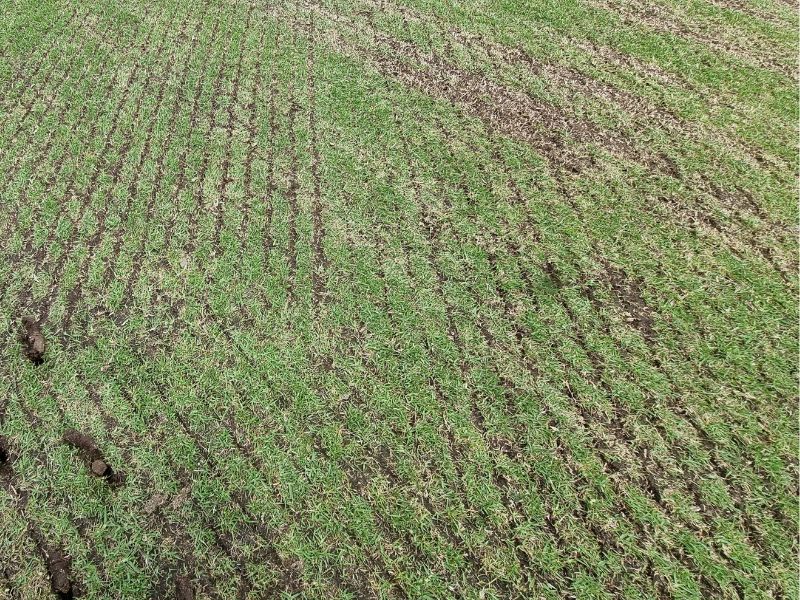
To remove excess thatch, we can vertimow or groom the turf.

However, we should first address the practices mentioned above that may have contributed to the excessive thatch buildup, such as using a fertiliser with lower nitrogen content or reducing irrigation usage.
When we vertimow, or groom the turf, we use vertical blades to cut into the turf surface and rip up the thatch.
Generally, when we refer to a full vertimow or scarification, it means the removal of all plant leaf above the surface, as well as thatch both above and below the soil profile.
This is done only on grasses such as couch or kikuyu, which have roots (rhizomes) below the soil. A groom is a much lighter version of this, where much less damage is done to the above-ground leaf blade. This approach is taken when we want to minimise disruption to whatever the turf functions as (i.e. a soccer pitch), when the thatch levels aren’t as problematic, or when we aim to be more cost-effective.
It is significantly cheaper to groom a large turf surface, such as an AFL oval, compared to a full vertimow.
Put your turf maintenance on auto-pilot
If you'd like to talk to us about a program for keeping your turf looking great all year round, get in touch today.